By Lauren Westrick, Schieffer Associates 2024
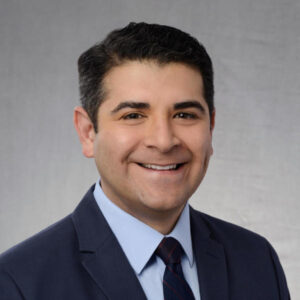
Omar Villafranca ’00
Omar Villafranca ’00, a Schieffer College alumnus and CBS News journalist, shared his journey from San Antonio to the national journalism stage. In this Q&A, Villafranca discusses his time at TCU, the challenges of breaking into the industry and the lessons he learned along the way. He highlights the value of persistence, hands-on experience, and the strong Horned Frog network.
What is your background, and what brought you to TCU?
I am born and raised in San Antonio, and that’s where I’m from. That’s where my folks are still there.
Coming out of high school, I was looking at several universities. I wasn’t quite sure what I wanted to do during the first half of my senior year. So I was looking at Rice University, where my sister went. I was looking at Kansas because I knew they had a journalism school, TCU as well. University of Texas, Texas State—it was called Southwest Texas—looking there as well.
And then when I came up to visit TCU, I liked how you could work for the newspaper and start doing newspaper work pretty quick, which was unique. Other places were making you kind of wait, right? I liked that we could start learning and making our mistakes early, and that was the best way to learn.
After graduation, what did your career path look like?
Back when I started, we would actually put our resume reels on VHS tape. You can feel free to laugh there. My tape out of college was not very good from the stuff that I had. It just wasn’t great. So I had a sports marketing job living in DC.
I worked on Capitol Hill, did campaign politics, got back out of that and put together a reel with some help from some small market folks. They helped me put together better material, and I sent it off, starting in Lawton, Okla.
rom Lawton, I covered the capital and Fort Sill, a big military base there. From there, I moved to Tulsa, then to Dallas. After 10 years in local news, I went to CBS network. Oh, I did the local news route. Not a lot of people do that, but I did it because I could.
Long Beach, Calif., hired me as the weekend anchor, but the hitch was that I had to produce the whole show. I did everything for the weekend news: helped cut the video, put it on tape, handed it to my director and timed out what I was going to say. If it was a VO and I had a 25-second video, I needed at least 35 seconds of video to cover it.
In Tulsa, I did morning show reporting, moving from maybe two live shots a week to eight live shots a day in a larger city. It made me improve my live presence. I was there for about three and a half years and then moved to Dallas, reporting for NBC 5 for six years. I did everything from filling in as an anchor to covering politics, following Texans like Ron Paul or Rick Perry when they ran for president. Going to the network was just a bigger stage.
What at TCU prepared you the most for your career?
It was all about doing the work—making mistakes, learning from them, and having great professors who offered constructive feedback. They helped me understand what worked and what didn’t, which was crucial when I entered the workforce.
Did you always know you wanted to pursue broadcast journalism?
I was always a journalism major. I never changed. In the first half of my high school senior year, I was deciding between being an engineer or a journalist. During AP Physics class, holding a TI-85 graphing calculator, I realized I never wanted to do that again. So, I walked out, went to the dean, and asked to switch to reporting. I never changed after that; I was always in journalism, moving from print to broadcast.
What’s one piece of advice you’d give to current students?
Be persistent—expect to hear “no” a lot, but don’t let it discourage you. The “yes” you need is worth the effort.
Get everything you can out of your classes. Ask questions, don’t be afraid to do extra work for more opportunities, and be persistent. You’ll hear “no” a million times, but it’s the million-and-first time that gets you the “yes.” Don’t give up.
How has the TCU alumni network supported you post-graduation?
TCU’s reputation has grown over time, and alumni help each other out. If I meet a fellow TCU graduate, there’s an instant connection, and we help each other. For example, there are other TCU grads at CBS, like Elizabeth Campbell and Richard Escobedo. We keep in touch and make sure everyone’s doing well.
Anything else you’d like to share?
Don’t be afraid to challenge your professors if what they’re teaching isn’t up-to-date. You should learn about current trends and practices, especially with social media, streaming and data journalism. Graduates should know what’s happening in the field and tackle current issues. Students may even handle these changes better than industry veterans.