
The box office performance of “Iron Lung” (2026), a self-financed and self-distributed horror film by online creator Mark Fischbach (Markiplier), marked a notable disruption in contemporary theatrical exhibition. The film’s success against a studio-backed Sam Raimi feature challenged long-standing assumptions about access to theatrical distribution and the necessity of studio infrastructure for narrative feature films.

Assistant Professor Anne Major teaches in the Department of Film, Television and Digital Media
Assistant Professor Anne Major shared her insight on what this moment reveals about shifting power dynamics between independent creators, audiences and traditional Hollywood institutions.
From an independent filmmaking perspective, why is it significant that “Iron Lung” outperformed a studio-backed feature film?
Iron Lung’s confounding opening weekend victory over Sam Raimi’s studio-backed horror “Send Help” feeds into Markiplier’s established “David versus Goliath” reputation as a savvy, entrepreneurial, independent creator who can build big audiences without studio support. Indeed, in 2024, Fischbach co-produced a series, “The Edge of Sleep,” which climbed into Amazon Prime’s top 10 most-watched list. More importantly, “Iron Lung’s” box office windfall demonstrates the economic tenability of a self-distributed theatrical release model. Whereas concerts and live-event cinema have bypassed theatrical distribution’s traditional financing and marketing structures, narrative features have not. Of course, Fischbach’s built-in fan base — which includes 73 million followers across YouTube and social media platforms — makes “Iron Lung” an exception. Nonetheless, the film’s success shows that major studios and distributors have loosened their stranglehold on theatrical access.
How might Iron Lung’s success reflect the growing influence of online creators, niche fandoms and grassroots marketing?
In recent years, major studios and distributors, most notably A24 — have employed innovative, buzzy promotional stunts in efforts to lure audiences to cinemas. Likewise, Fischbach and Regal Cinemas played up Iron Lung‘s blood-soaked production by organizing a national blood drive and selling “Iron Lung”-themed popcorn buckets. However, “Iron Lung‘s” box office success was largely due to Markiplier’s followers, who hyped the release, bolstered advanced ticket sales, and even requested screenings from local theaters.
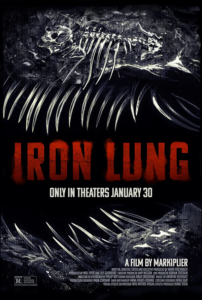
Iron Lung (2026)
Does Fischbach’s hands-on involvement elevate the film’s authenticity, and how might that authenticity translate to audience trust and turnout?
By bucking studio support and opting to self-finance and self-distribute Iron Lung, Fischbach strengthened his credibility and energized his fan base. Boosting ”
Iron Lung’s” box office became a shared goal and an opportunity to participate in a moment of cultural disruption.
What does this moment suggest about changing power dynamics between independent creators and traditional Hollywood studios?
Theaters have come to occupy a precarious economic position brought on by the pandemic, the growth of streaming and even the writer’s strike. Even major theater chains have become receptive to unusual arrangements with unconventional parties like Fischbach. Ultimately, “Iron Lung” shows that major studios and film distributors no longer have such tight control over theatrical access.